
“What do you mean by a nice girl? She is moody and arrogant just like me.”
The word “feminism” is often enveloped in a flashy outer coating in the modern day, so much so that its real ethos is forgotten in its ever-increasing usage. When we talk about a feminist book or a movie, the first thing that comes to our mind is a female taking up a ‘manly’ role, i.e. positions traditionally believed to be occupied only by men. But what does feminism exactly mean? Of course, it does include the expanding horizons of occupations that women can presently enrol in, but is it just limited to that? Gender politics doesn’t simply exist in the professional arena, it pervades the domestic sphere too. In fact, it stems from the domestic ground, blossoming, thus encouraged to burgeon into professional realms. As the saying goes, “Charity begins at home”, the mindset needs to be fixed at home so that the world outside does not have to suffer its repercussions.

The film “Piku”, released originally in 2015 and directed by Shoojit Sircar is a film much ahead of its time. When it was released, it was more of a “comedy movie”, as it reeks with jokes on constipation backed up by Deepika Padukone, Amitabh Bachchan and Irrfan’s exceptional acting prowess. The first time I watched “Piku”, it was on my 12th birthday at a theatre near my home and I was suffering from a cold. I distinctly remember the humour didn’t quite appeal to me. Neither did the ethos and simplistic character of the film. As a pre-teen, I was more drawn towards the flashy elements and symbolisms, in books and movies alike. I remember being so annoyed with Bhaskor Banerjee’s endless tantrums wondering why Piku has “given up” on so much in her life for her “selfish” father. The party scene where Bhaskor Banerjee drove away an eligible bachelor from Piku by speaking about her sex life had gotten on my nerves. The songs, however, hit the right chords of my heart.
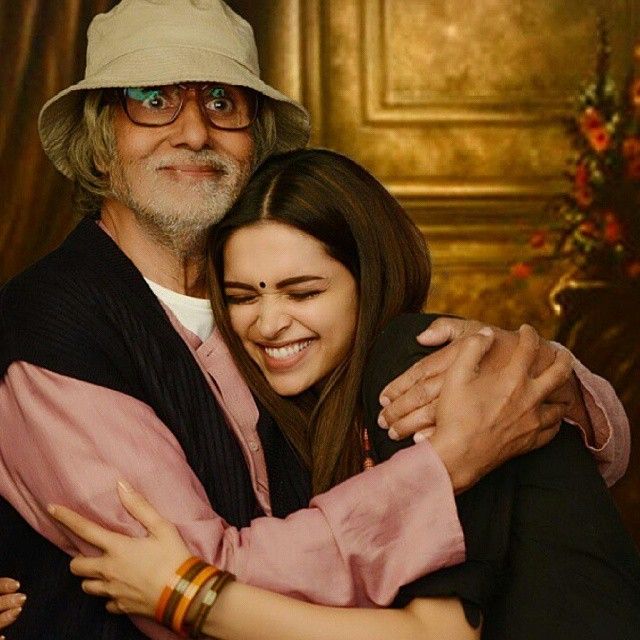
Years passed and a decade elapsed. Its 2025. I grew up into an adult weary of the world, especially its deep-seated patriarchy. Right before by 22nd birthday, “Piku” has been re-released in the theatres. Thanks to the never-ending reels and posts on cinema that keep popping up on my Instagram feed, the film is fresh in my mind. However, my perspectives have changed.
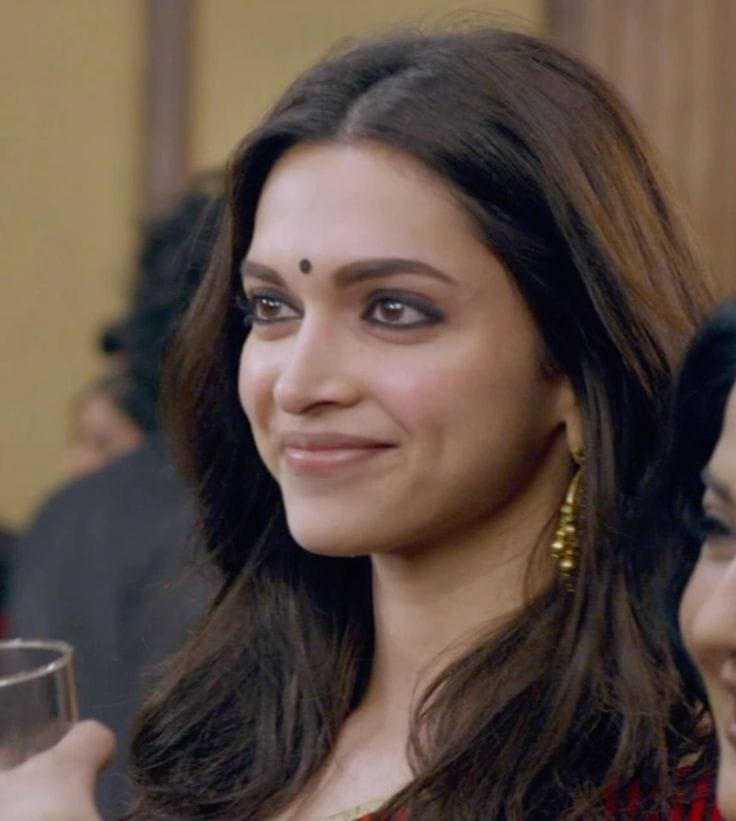
Not all ‘feminist’ women fight violence. Some, or rather most, silently fight the engrained stereotypes and patriarchy rooted in our society without complaining. And if they are lucky, they might also be supported by a ‘feminist’ guardian like Bhaskor Banerjee. In fact, his character is perhaps one of the most ‘feminist’ characters I have ever come across in fiction. The same scene, where he eventually drives away the eligible bachelor by asking him what he means by a “nice girl”, appeals to me more than anything. Women are so trained to be submissive and respectful even at the cost of their self-respect that they forget what it is like to channelize and experience their inner being. Does being moody and opinionated woman qualify as being a “nice” one? Food for thought, right?

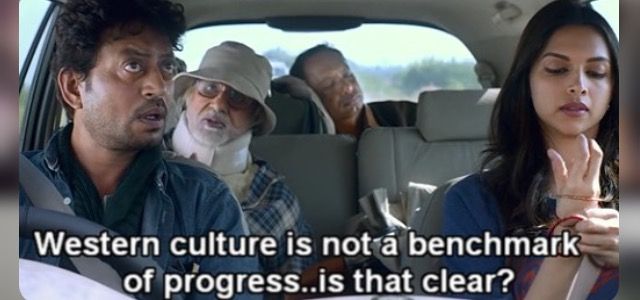
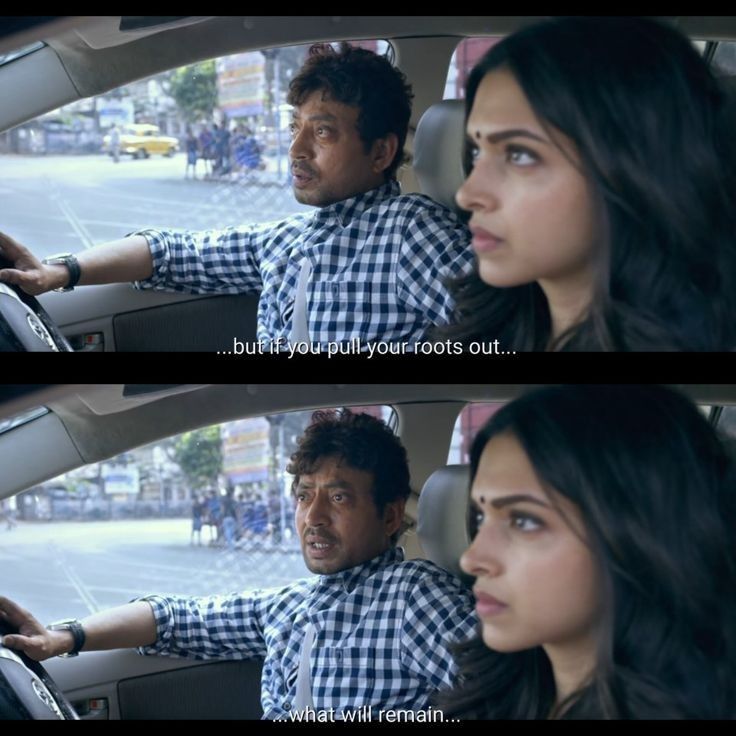
Another significant aspect of the film is not forgetting one’s roots. Since the beginning Bhaskor Banerjee was firm on not selling their ancestral home, ‘Champakunj’ in Kolkata. Piku, on the other hand, standing on the threshold of her roots and progress, was divided in her head. It was only after going out on the Calcutta tour with Rana, where he subtly chimes in about losing everything if one lets go of their roots, that she supports her father’s decision of not selling ‘Champakunj’.
There is a widely floating thought around this film that Bhaskor Banerjee did not want Piku to get married. Well, what I gathered after watching it this time is that marriage in our society is an institution enmeshed in patriarchy and he did not want Piku to fall prey to it and lose her identity while serving her husband and in-laws. Back as a pre-teen, I had thought that the world has ‘changed’ or is rather ‘changing’ or an even better word would be ‘progressing’. A decade later, I realise that progress is a utopian fantasy and that reality has its own set of rules that it abides by.
Women are believed to be ‘incomplete’ in their lives without a man, be it economically or security-wise. Over the last decade, I have learnt that ‘independence’ is not a word that the world is willing to adapt to with respect to a woman. This is precisely the stigma that the film ‘Piku’ challenges. ‘Piku’ asserts that women are capable of running a house on their own and can choose whatever kind of life that they want for themselves.
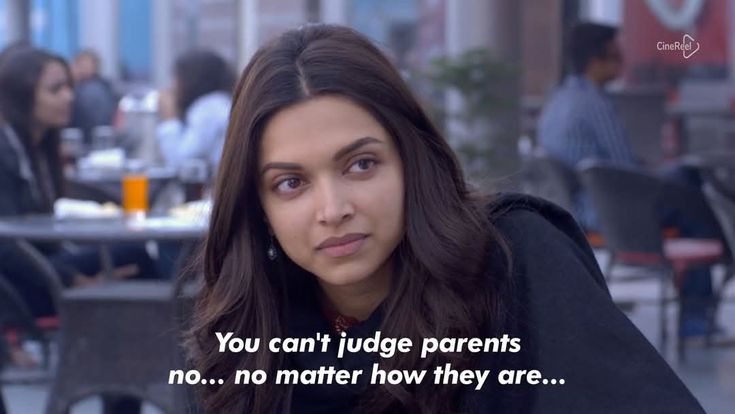
Piku was unapologetic about who she was and about her father despite the awkward situations she had to encounter because of him. To her, it was his happiness and well-being that mattered the most. In one of the final scenes when Rana asks Piku how she will manage everything on her own after Bhaskor Banerjee’s demise, it was her response that defined the film, “Itna toh prepare karke gaye baba”. Our society needs more parents, guardians and mentors like him.
 Sharmistha Dasgupta: A Myriad Quill Canvas
Leave a comment