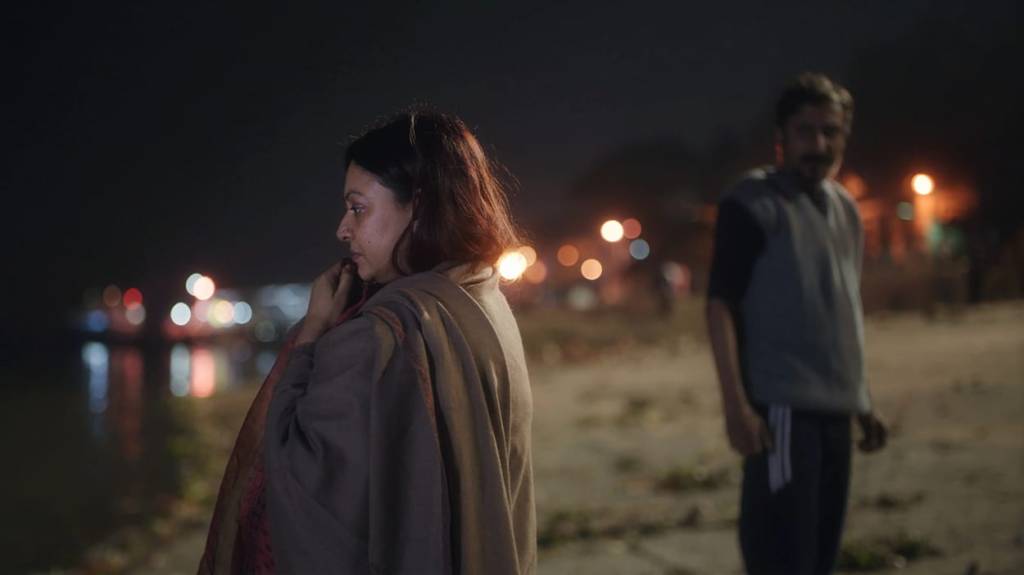
Calcutta is often revered as a city that is slow and steeped in the past as a relic of the bygone ages. In contemporary art and writings, it is often associated with evoking memories. As we recall the past, somewhere or the other we see how the city too possesses a character arc in shaping the trajectory of our lives. “Mayanagar”, a Bengali-language Indian-French-Norwegian film that was released internationally as “Once Upon a Time in Calcutta” is an ode to this alluring nostalgic psyche and semblance of the city. Directed by Aditya Vikram Sengupta, the film had premiered first at the 2021 Venice Film Festival and has now released in theatres across Calcutta.
The film, as the name suggests, has been shot with Calcutta standing in all her haunting glory as the backdrop. As it is known to the common man here in this city and to people across the globe, that Bengal has sought a new-found identity through the evocative writings, music and paintings of Nobel Laureate Rabindranath Tagore (revered widely as ‘Kabiguru’) since the 20th century. In this film, this identity of Bengal has been foraged by the makers, thus providing this cinematic creation with its meditative identity as Rabindra Sangeet, both in its original tune and modern remix reverberate through the poetic frames.
The cast of the film has delivered an exemplary performance as they portrayed the sombre emotions. Sreelekha Mitra plays the role of Ela, a grief-stricken mother who lost her daughter to an unnamed illness. She is determined to start an independent life. Ela is an illegitimate daughter of a cabaret dancer who had a romantic affair with the owner of a grand theatre in North Calcutta. Bratya Basu plays the role of Bubu, Ela’s melancholic stepbrother who lives in the deserted theatre-home. Despite his limited screen time, his performance is very moving.
As the storyline of the film unravels, we observe how Ela’s marriage with Shishir played by Satrajit Sarkar, bears the brunt of the death of their child. A disillusioned Ela, who works as an astrologer in a low-budget television show, seeks solace in romantic rendezvous with her childhood neighbour Bhaskar played by Arindam Ghosh, who is an engineer carrying out the construction of a bridge traversing through the heart of Calcutta. Ela also happens to be infatuated with her superior at work who is the owner of a fraudulent investment scheme. Ela uses him to secure her dream of buying a house for herself. However, all of her planning falls through eventually. The film tries to depict how corruption and red-tapism that is so rampant in the city obstructs the execution of what each character wanted for themselves.
The life of Raja played by Shayak Roy is symbolic of the lives of millions of agents who fall prey to the endless greed of their company owners, as they lose everything they have accumulated through their life’s work. The film endeavours to capture the suffering of the middle and lower classes of Calcutta, thus bringing in the wider picture of the city’s socio-economic classes and the hardships faced by the downtrodden.
As mentioned before, the Bengali identity rooted in Tagore’s oeuvre is both boon and a bane. The collapse of the bridge that cuts through the heart of the city, falling over the innumerable sculptures of Tagore, is a rather stern proclamation of how frail the pseudo-intellectual façade of present-day Bengalis or Calcuttans is.
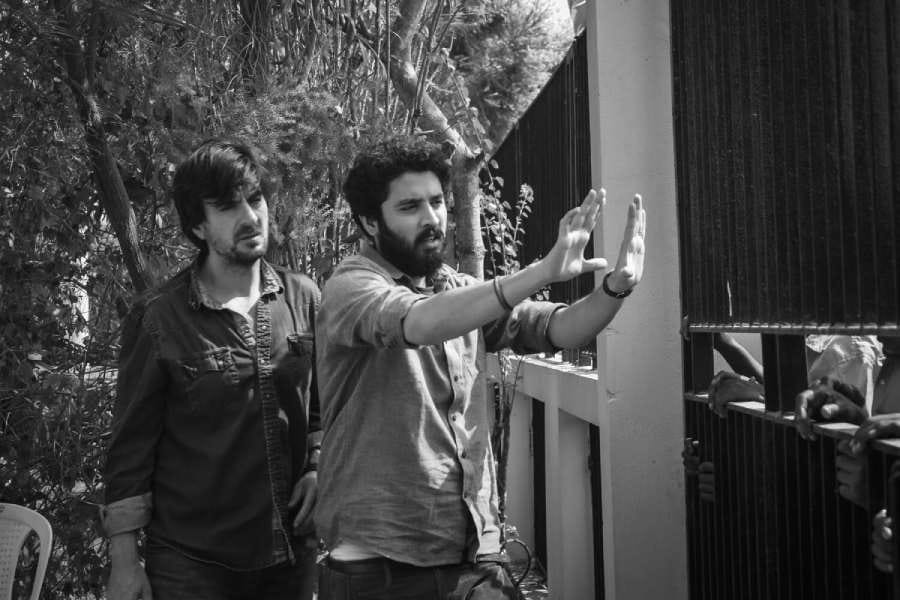
A poignant cinematic reverie, ‘Mayanagar’ is largely characterized by its implicit and explicit depiction of broken bridges in this bustling megapolis. Perhaps a metaphorical representation for the marital disputes and extramarital relationships shaping the storyline of the film. As the popular Rabindra Sangeet ‘Alok er ei jhorna dharay’ echoes in its original and remix versions, it seems to be a fraying thread binding the city’s old and new, its dimming light and engulfing darkness. By the time the curtain falls, the audience is shockingly spellbound at how the soul gets consumed so easily as one navigates life here with its hunger and terror in the city for the soul that is Calcutta.
 Sharmistha Dasgupta: A Myriad Quill Canvas
Leave a comment